```html id="hurdles_en_01">
Hurdling is a spectacular track and field discipline that requires athletes to have speed, agility, and perfect technique in overcoming obstacles. For runners to reach the peak of their abilities, they need a good coach and proper training facilities. We explain the basic rules of hurdling and how to prepare talented youth for competition.
HURDLING – RULES
Hurdle races are sprint events. Athletes competing in them must overcome obstacles placed on the track at distances specified by the rules. During the race, a hurdler:
- must stay within their assigned lane;
- must not knock down another competitor’s hurdle (even accidentally) – doing so results in disqualification;
- must clear hurdles by lifting their legs over them – stepping around a hurdle is not allowed and may lead to disqualification.
Women’s and men’s hurdling – are there differences?
Differences between women’s and men’s hurdling events include race distances and the height of the hurdles.
Both women and men compete in the 400 m hurdles, where they must clear 10 hurdles placed at equal intervals. However, the 100 m hurdles is a sprint event only for women, while for men the shortest hurdling distance is 110 m. The track setup differs – men’s hurdles are higher and spaced further apart.
Hurdle height
Hurdle heights vary depending on gender and age category. In senior competitions, men clear hurdles of:
- 91.4 cm in the 400 m race,
- 106.7 cm in the 110 m race.
Women clear hurdles of:
- 76.2 cm in the 400 m race,
- 83.8 cm in the 100 m race.
WHERE AND WHEN DO HURDLING TRAINING SESSIONS TAKE PLACE?
Hurdling events are usually held at outdoor athletics stadiums and indoor sports halls with certified tracks. In school competitions, young athletes also train outdoors on specially adapted school fields.
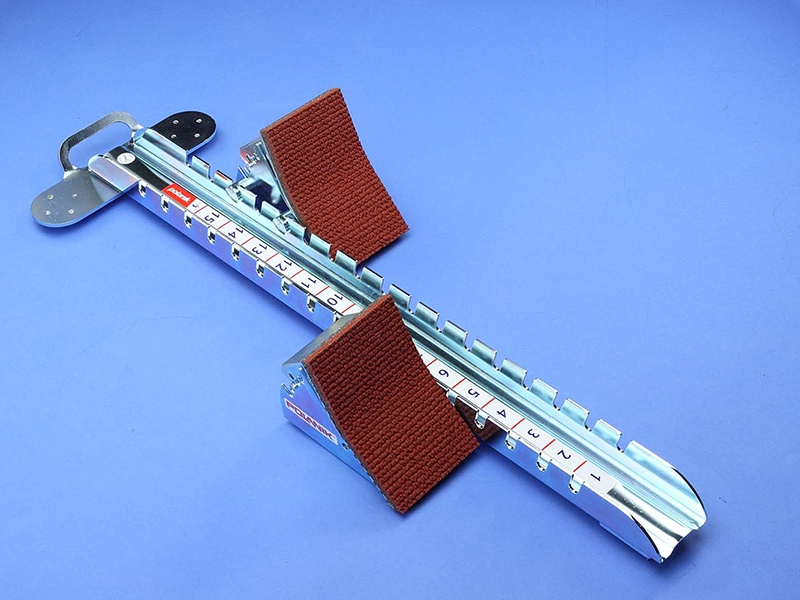
To enable training, it is important to provide a track with a professional tartan surface. It should be equipped with starting blocks, either professional models or versions designed for beginners.
These blocks allow athletes to train proper starting positions and compete at both school and professional levels.
TEACHING METHODOLOGY FOR HURDLING
Training methodology for children and youth focuses on developing overall motor skills. Young athletes work on coordination, dynamics, and jumping ability. Training aims to develop five key skills:
- starting and reaching maximum speed quickly,
- approach to the first hurdle,
- hurdle step technique,
- running between hurdles,
- finishing after the last hurdle.
Hurdling – required predispositions
What does training look like for beginners?
Training for beginners differs significantly from senior-level hurdling. Children start with simple exercises such as jumping over hoops, beanbags, cones, or sticks. Later, they progress to obstacles like boxes or tires.
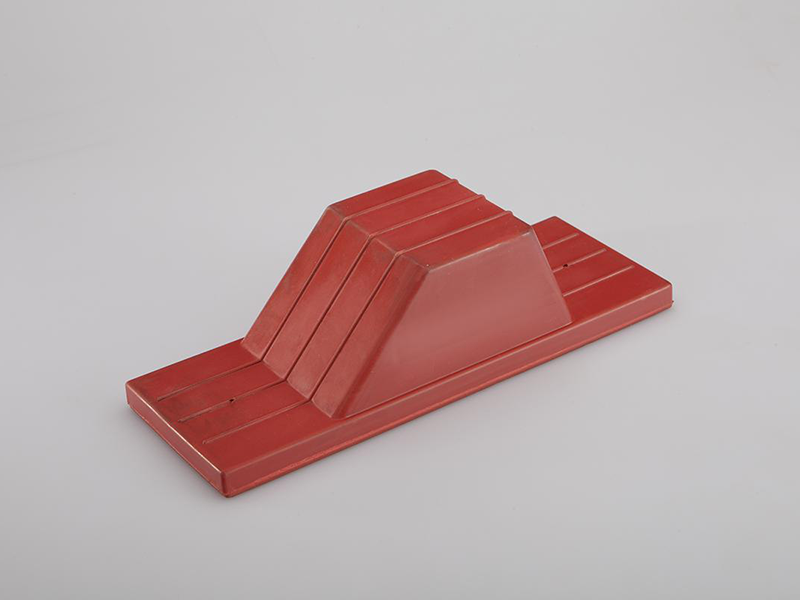
Once they gain confidence, they begin training with real athletic equipment, such as low foam hurdles.
Hurdling competitions are exciting and visually impressive, as athletes move quickly and rhythmically over obstacles. However, reaching a high level requires many hours of training, proper facilities, and equipment suited to the athlete’s age and skill level.
```
 English