Running on a track is often associated with intense preparation for sports competitions, but it can also be a great idea for school sports activities. The key to effective training (for both adults and youth) is proper planning of exercises as well as ensuring professional equipment and suitable training conditions. Find out what to consider so that both professionals and amateurs can train effectively on a running track.
A GOOD TRACK RUNNING TRAINING PLAN
For training to bring the desired results, it should be tailored to the athlete’s age, level, and goals. Sprinters, long-distance runners, and students all require different approaches.
A good training plan helps avoid routine and boredom. For sports facility managers and school administrators, it is important to provide access to equipment that supports varied training programs. This keeps participants motivated and improves results.
A well-designed training plan includes:
- proper warm-ups to prepare ankle and knee joints,
- time-based or distance-based running sessions,
- selection of the right lane and type of training to develop speed or endurance.
RUNNING ON A TRACK AND CHOOSING THE RIGHT SHOES
To run fast and comfortably, athletes need proper footwear. Shoes should:
- provide cushioning to absorb impact and reduce strain on joints,
- fit properly to ensure stability without restricting movement,
- be breathable, ideally with mesh materials to allow airflow and reduce sweating.
TRACK RUNNING – THE RIGHT SURFACE
Professional running tracks are made of tartan surfaces, chosen depending on their purpose:
- training tracks are often made using a “sandwich” system with layered materials,
- competition tracks use full polyurethane surfaces with high durability.
EQUIPMENT AND ACCESSORIES FOR TRACK RUNNING
Although running seems simple, proper equipment is essential. Both indoor and outdoor tracks should include starting blocks — professional ones for competitions and simpler rubber models for schools.
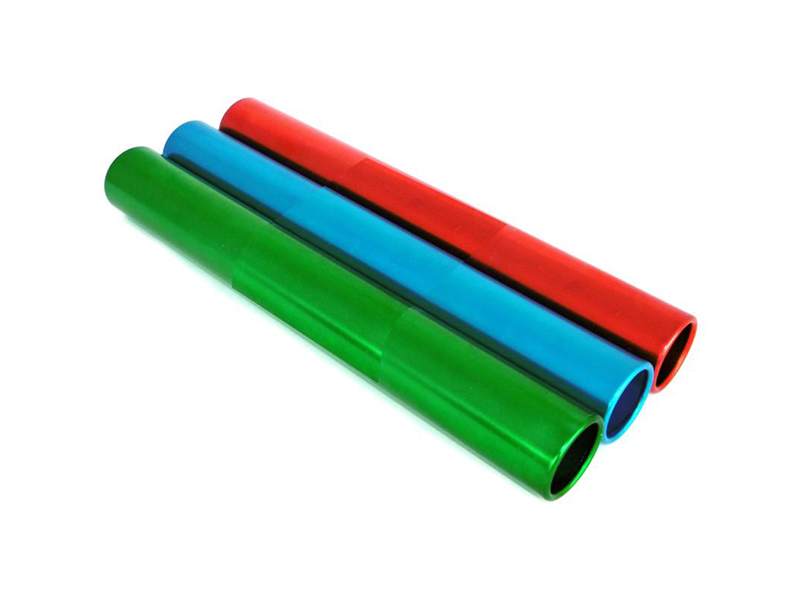
To diversify training, coaches can also use relay batons.
Relay batons help break training monotony and are essential for relay practice.
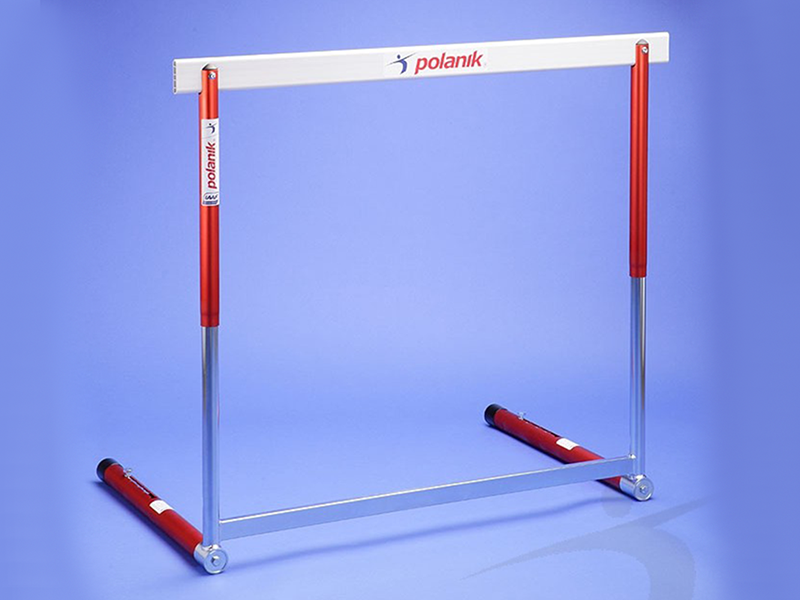
For hurdle training, proper hurdles are required.
This hurdle meets professional standards and offers adjustable height levels for different athletes.
TRACK RUNNING – BENEFITS
Running on a track is not only for professionals — it is also a great way to stay active and improve fitness.
It provides satisfaction, improves endurance, enhances overall fitness, and supports weight loss.
Proper surface, footwear, equipment, and a good training plan are key to enjoying running. Facilities that support different types of runners are a valuable investment for schools, sports clubs, and communities.
 English